November 4, 2026
A healthy landscape depends on receiving the right amount of water at the right time. Without an effective irrigation system, lawns, gardens, shrubs, and trees may receive uneven coverage that affects their growth and appearance. Manual watering can also become time-consuming, especially for properties with extensive planting areas or changing seasonal needs. Professional installation helps homeowners establish a system that distributes water efficiently and supports the long-term condition of their outdoor spaces.
Working with local irrigation services can also help property owners select equipment suited to their landscape layout, soil conditions, and water requirements. Careful planning reduces the likelihood of dry patches, oversaturated areas, and unnecessary water waste. According to the National Association of Landscape Professionals, the landscaping services industry encompasses approximately 661,000 businesses, reflecting the broad range of professionals involved in maintaining outdoor environments. Understanding the benefits of professional irrigation installation can help homeowners make informed decisions about landscape care and water management.
Designing a System for Landscape Needs
Every landscape has different watering requirements based on its size, plant varieties, soil composition, and exposure to sunlight. A system designed for a small lawn may not provide suitable coverage for a property containing flower beds, shrubs, trees, and sloped areas. Professional installers assess these conditions before deciding where irrigation components should be placed. Local irrigation services can help homeowners determine which parts of the landscape need separate watering zones. This approach allows plants with similar moisture requirements to receive appropriate amounts of water. Proper planning also helps prevent sprinklers from directing water onto driveways, sidewalks, and other unnecessary areas. Installers can account for obstacles, property boundaries, and existing landscaping features during the design process. A well-planned system provides a practical foundation for consistent watering and healthier outdoor spaces.
Improving Water Distribution Across the Property
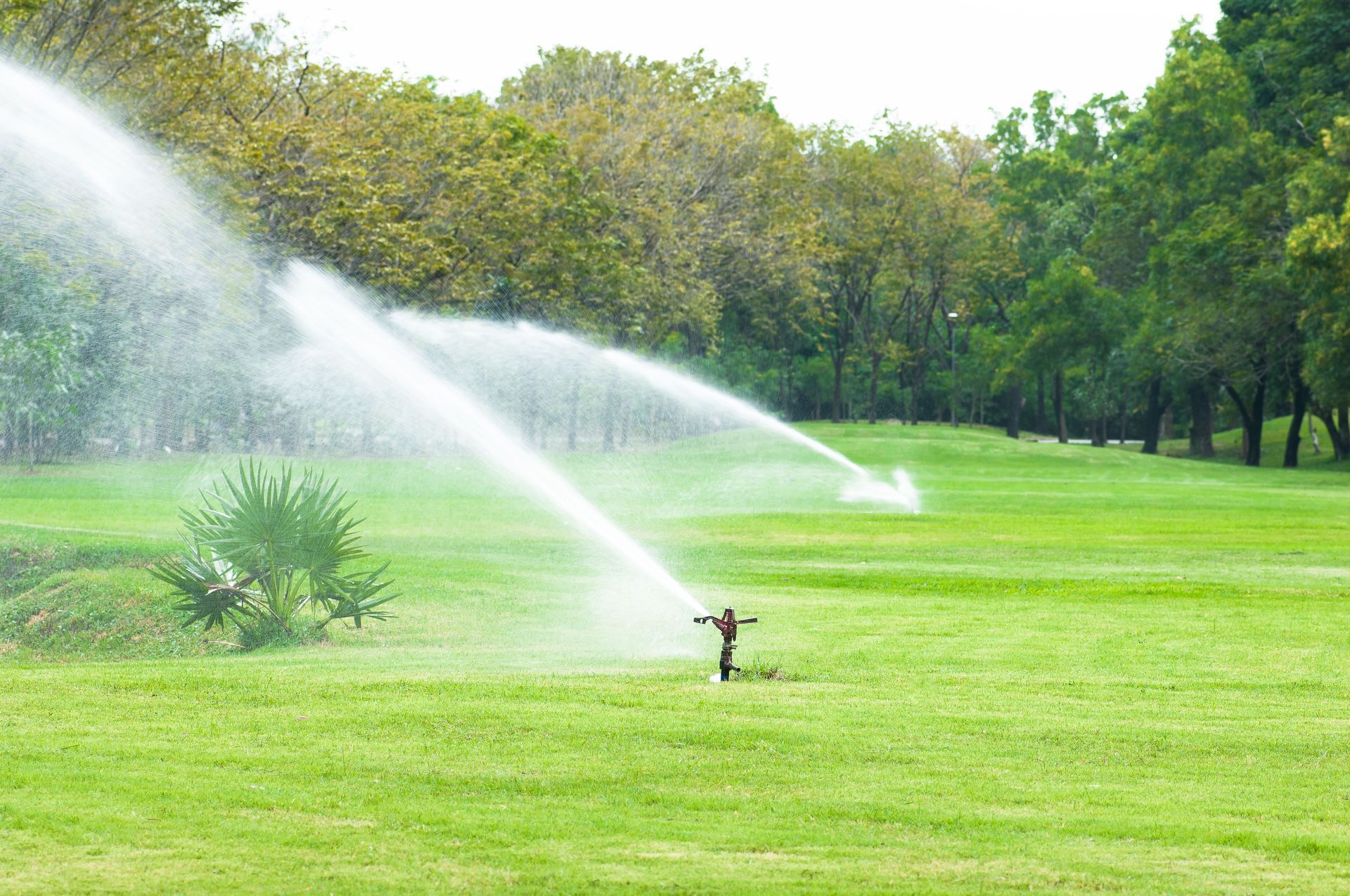
Uneven watering can leave some parts of a lawn dry while other areas remain excessively wet. These inconsistencies may occur when sprinkler heads are poorly positioned, coverage overlaps incorrectly, or water pressure is unsuitable. Professional installation helps address these concerns by matching irrigation equipment to the property's layout. Local irrigation services can evaluate sprinkler placement and recommend arrangements that provide more consistent coverage. Correct spacing is particularly important because water must reach the intended planting areas without leaving significant gaps. Different sprinkler types may also be appropriate for lawns, garden beds, and narrow landscape sections. By distributing water more evenly, a properly designed system can support healthier plant growth and reduce the need for repeated manual watering. Regular inspections can help maintain that performance as plants mature and landscape conditions change.
Conserving Water Through Better Irrigation
Water conservation is an important consideration for homeowners who want attractive landscapes without unnecessary resource use. Watering too frequently or applying more water than plants need can increase consumption and contribute to runoff. Professional installers can recommend equipment and schedules that reflect the landscape's actual watering requirements. Local irrigation services may also help homeowners consider drip irrigation, efficient sprinkler heads, and weather-responsive controllers where appropriate. Drip systems deliver water near plant roots, making them useful for many garden beds and individual plantings. Smart controllers can adjust schedules according to weather information or other programmed conditions, depending on the equipment selected. These features work best when the system is designed and maintained correctly. Thoughtful irrigation planning helps homeowners balance landscape health with responsible water use.
Protecting Plants From Overwatering and Drought
Plants need adequate moisture, but too much water can be just as problematic as too little. Overwatering may contribute to root stress, fungal problems, and poor soil conditions, while insufficient watering can cause wilting and slow growth. A professionally designed irrigation system can help deliver water according to the needs of different plant groups. Local irrigation services can help identify areas that require more frequent watering and others that need less. Soil type matters because sandy soils generally drain more quickly than heavier soils with greater water retention. Sun exposure, plant maturity, and seasonal weather patterns also influence how quickly moisture disappears. Dividing the landscape into suitable watering zones allows schedules to be adjusted for these differences. Monitoring plant health and soil moisture helps homeowners make additional adjustments when conditions change.
Reducing Runoff and Soil Erosion
Water that flows across the ground instead of soaking into the soil can carry away valuable topsoil and landscape materials. Runoff may occur when sprinklers apply water too quickly, operate for too long, or direct water onto paved surfaces. Sloped properties can be especially vulnerable because gravity moves excess water toward lower areas. Professional installers can consider these conditions when designing irrigation coverage and selecting suitable equipment. Local irrigation services can help homeowners explore options such as shorter watering cycles with intervals that allow water to absorb into the ground. Drip irrigation may also be useful for certain planting beds where controlled delivery is preferred. Correct sprinkler alignment can further reduce unnecessary watering of sidewalks and driveways. Managing water application carefully helps preserve soil, protect planting areas, and maintain a cleaner landscape.
Simplifying Routine Landscape Maintenance
Maintaining a landscape often requires repeated watering, particularly during warmer or drier periods. An automatic irrigation system can reduce the time homeowners spend moving hoses and manually watering different areas. Once programmed, the system can operate on a schedule suited to the property, although adjustments may still be necessary when weather changes. Local irrigation services can help homeowners choose controls that are straightforward to operate and appropriate for their watering needs. Clearly separated zones make it easier to manage lawns, shrubs, and garden beds independently. Regular checks can identify clogged sprinkler heads, leaks, or changes in water pressure before they affect larger areas. Seasonal adjustments can also prevent the system from continuing to water at an unsuitable rate. With suitable equipment and maintenance, irrigation can make landscape care more manageable.
Supporting Long-Term Landscape Health
A reliable irrigation system can help establish consistent conditions for lawns, trees, shrubs, and ornamental plants. Newly planted vegetation may need careful watering while its roots develop, whereas established plants can have different moisture requirements. A system designed with these differences in mind supports more adaptable landscape management. Local irrigation services can help homeowners plan for plant growth and changes in the property's layout. For example, growing trees may eventually alter shade patterns and influence the watering needs of nearby grass or garden beds. Irrigation components should also remain accessible for maintenance and adjustments. Periodic evaluations help ensure that water reaches the intended areas as the landscape evolves. Combining suitable installation with responsible maintenance supports a healthier and more sustainable outdoor environment.
Choosing Professional Installation for Reliable Results
Installing irrigation equipment requires more than connecting pipes and positioning sprinkler heads. The system must account for water pressure, flow capacity, coverage requirements, soil conditions, and the placement of existing utilities. Mistakes during installation may lead to leaks, uneven watering, or equipment that does not suit the property's needs. Professional planning helps identify these issues before they become costly problems. Local irrigation services can guide homeowners through equipment selection, system layout, and practical maintenance considerations. It is also important to understand how to operate the controller and recognize signs that the system needs attention.
Homeowners should discuss the expected scope of work and ongoing care before installation begins. Choosing a carefully designed system can help protect the landscape while making everyday watering more efficient.
Cold Creek Landscaping can help homeowners plan irrigation solutions that support the health, appearance, and maintenance of their outdoor spaces. A system designed around the property's layout and planting needs can make watering more consistent and manageable. Contact us to discuss your landscape irrigation goals and explore options for maintaining a healthy, well-watered property.