July 13, 2026
In today's real estate market, enhancing your property's outdoor space can significantly impact its overall value. Hardscaping, which involves the non-living elements of landscaping, is an effective way to upgrade your property while increasing its aesthetic and functional appeal. This article explores hardscaping upgrades that not only elevate your outdoor environment but also add considerable value to your property.
1. Patio Installations
1.1. Choosing the Right Material
When planning a patio, selecting the right material is crucial for both aesthetics and durability. Options such as stone, brick, and concrete offer unique advantages, each adding a different feel to your outdoor space. Stone, though often more expensive, provides a timeless and natural look that seamlessly integrates with landscapes. Brick, on the other hand, offers a rustic charm and durability that can withstand various weather conditions. Concrete is highly versatile with its ability to mimic other materials while remaining cost-effective, making it a popular choice for homeowners.
1.2. Design and Layout Considerations
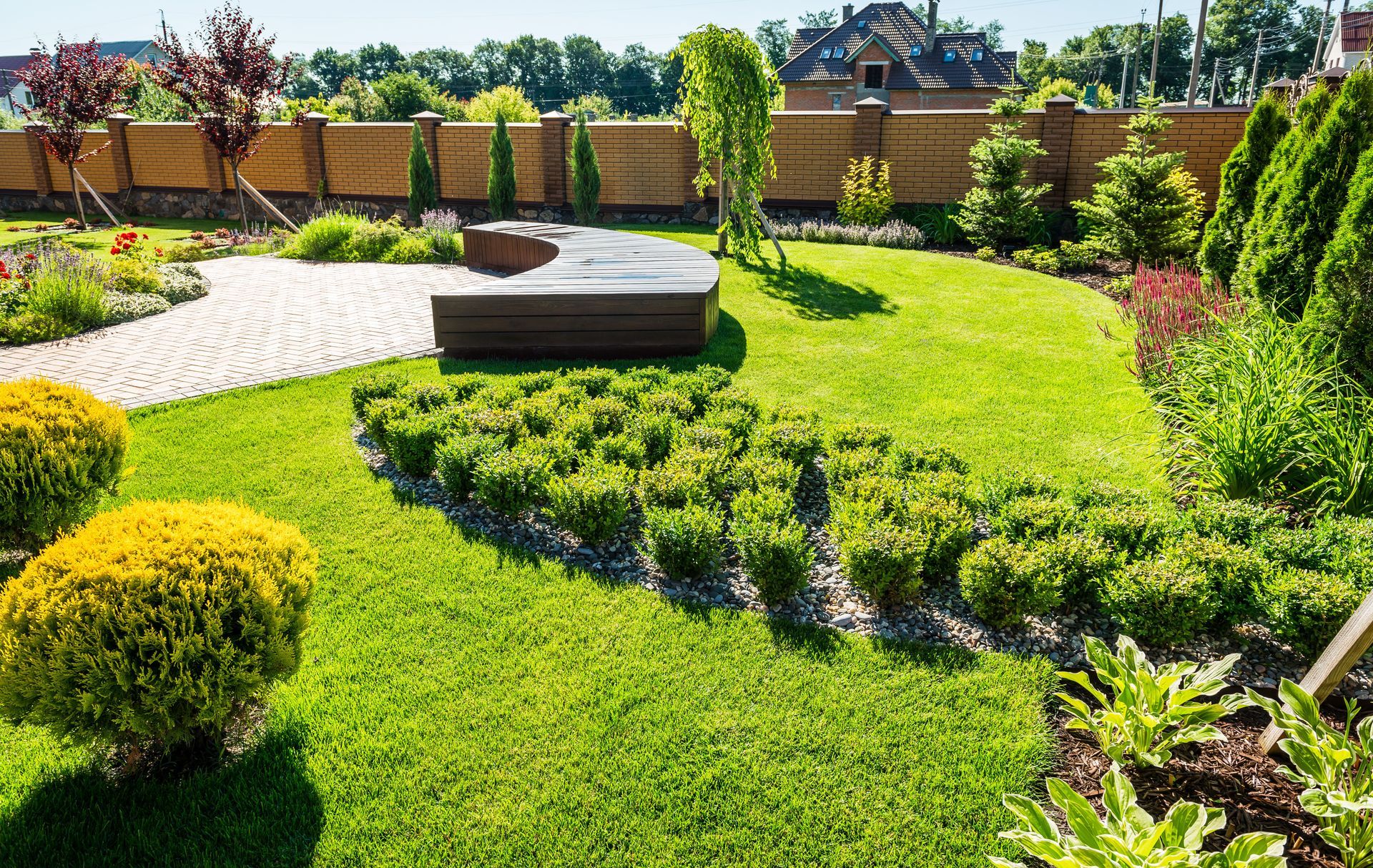
The design and layout of a patio play a significant role in its functionality and integration with the surrounding space. Carefully planned layouts can create distinct outdoor areas for dining, lounging, and entertaining, enhancing usability. The use of curves and irregular shapes can make the patio more visually interesting and ensure the design flows naturally with the landscape. This attention to detail can transform a basic outdoor area into a captivating extension of your living space. By aligning the patio with your home's architectural style, it enhances the property's overall aesthetic appeal.
1.3. Integrating with Existing Architecture
For a patio to truly enhance both aesthetic and property value, it should harmoniously integrate with the existing architecture of the home. This means taking into account factors such as the home's facade, colors, and materials, ensuring that the patio complements rather than contrasts. For homes with a modern architectural style, a sleek and minimalistic patio design with clean lines and neutral colors might be most appropriate. Traditional homes might benefit from using materials like stone or brick, which naturally complement classic architecture. Ultimately, a well-integrated patio appears as a natural extension of the home rather than an afterthought.
1.4. Adding Features such as Outdoor Kitchens
The addition of an outdoor kitchen to a patio can greatly enhance both its functionality and value. Outdoor kitchens provide opportunities for alfresco dining and entertaining, offering amenities like grills, sinks, and storage that make cooking outside convenient and enjoyable. These features not only increase the property's appeal to potential buyers but also expand the living space beyond the home’s walls. Strategically positioning an outdoor kitchen near the interior kitchen can ensure smooth traffic flow and ease of use. Furthermore, by using similar materials and design elements, the outdoor kitchen can blend seamlessly with the overall patio design.
1.5. Maintenance Requirements
While patios offer numerous benefits, understanding their maintenance needs is crucial for long-term enjoyment and value retention. Materials like natural stone may require sealing to protect against weather and stains, while concrete may need periodic resealing to maintain its appearance. Regular cleaning can prevent the buildup of dirt and grime, which can detract from the patio's aesthetic appeal. Investing time in understanding these maintenance aspects helps in choosing the right materials that balance upkeep with visual appeal. Consistent care and attention ensure the patio remains a valuable and attractive feature of the property for years to come.
2. Walkways and Pathways
2.1. Pathway Materials and Their Impact
Choosing the right materials for walkways and pathways not only influences their durability but also impacts curb appeal. Common materials include concrete, pavers, natural stone, and gravel, each offering unique benefits and aesthetic qualities. For instance, gravel is cost-effective and provides a rustic charm but may require more maintenance to keep tidy. On the other hand, pavers and natural stone offer sturdiness and a wide variety of design options while being more durable in fluctuating climates. Ultimately, choosing materials that align with your overall landscape theme ensures functional and beautiful pathway designs.
2.2. Designing for Accessibility
Accessibility is a crucial aspect of pathway design, catering to ease of movement for all individuals, including those with mobility challenges. Ensuring pathways are wide enough for wheelchairs and have gentle slopes instead of steps can significantly increase property value by attracting a broader audience. Incorporating non-slip surfaces and adequate handrails further enhances safety and usability. Pathways should connect key areas of the property, such as from the driveway to the entrance, or from the garden to an outdoor living space, providing a seamless flow. Thoughtfully designed accessible pathways contribute to a welcoming and inclusive outdoor environment.
2.3. Lighting Considerations
Strategic lighting of pathways not only enhances safety but also elevates the aesthetic appeal of the landscape. Pathway lights can illuminate walkways sufficiently to prevent tripping hazards and deter potential intruders by increasing visibility. Different lighting options, such as solar, LED, and low-voltage, offer various solutions depending on energy requirements and desired effects. LED lights, for example, are energy-efficient and provide bright, long-lasting illumination that highlights the path without overwhelming the landscape. Placing lights at regular intervals along pathways ensures consistent lighting, creating an inviting ambiance for evening strolls.
2.4. Landscaping Integration
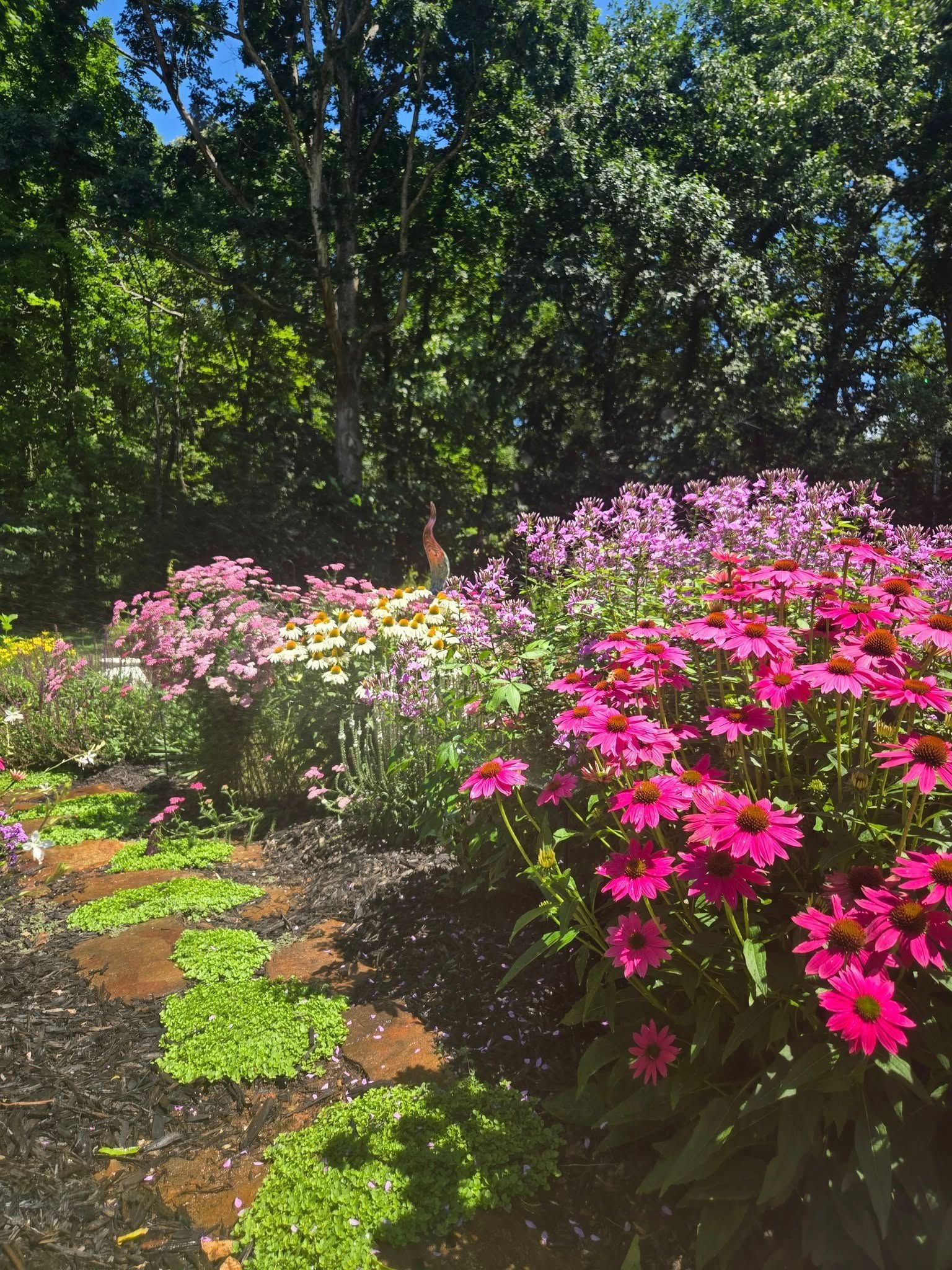
Integrating pathways into the landscape design ensures a cohesive and harmonious outdoor environment. Blending walkway materials with surrounding plant life can create an attractive balance between hardscape and softscape elements. For instance, using curved pathways can mimic the natural undulations of a garden, creating a sense of journey and exploration. Planting low-growing perennials and shrubs along the edges softens the hard lines of the path and enhances the overall aesthetic. Proper integration can turn pathways into features that complement and elevate the broader landscape design.
3. Retaining Walls
3.1. Functional and Aesthetic Benefits
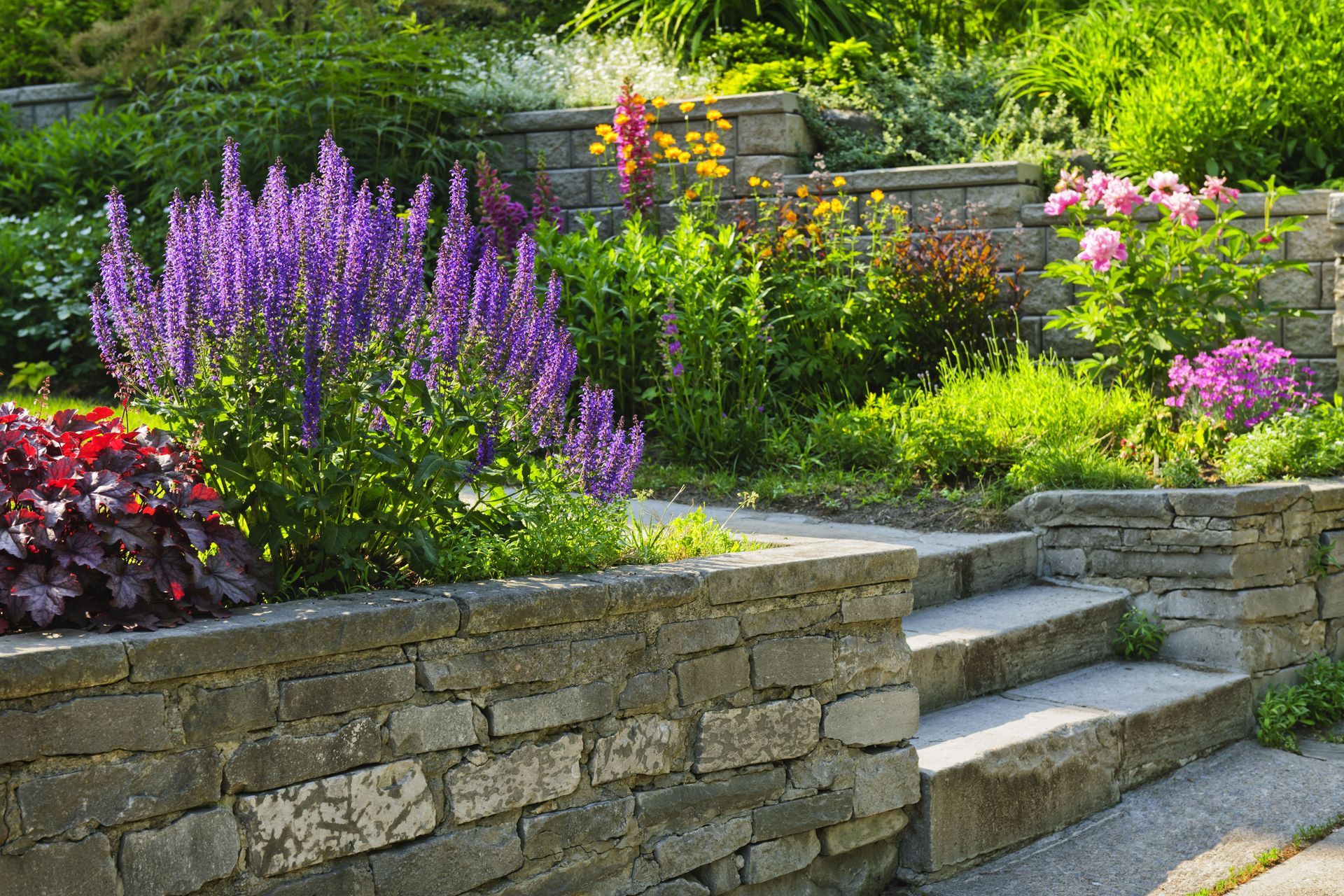
Retaining walls offer significant functional and aesthetic benefits, making them a valuable addition to any landscape. Functionally, they provide necessary support for soil at varying levels, preventing erosion and creating usable flat areas on sloped properties. Aesthetically, retaining walls can transform a hilly, unusable space into a beautiful tiered garden or seating area, adding practical and visual value. By selecting materials like stone or concrete that blend with the home’s exterior, retaining walls can seamlessly integrate into the landscape design. According to LawnStarter, retaining walls can increase a home’s value by up to 15% by providing both functionality and visual appeal.
3.2. Selecting Durable Materials
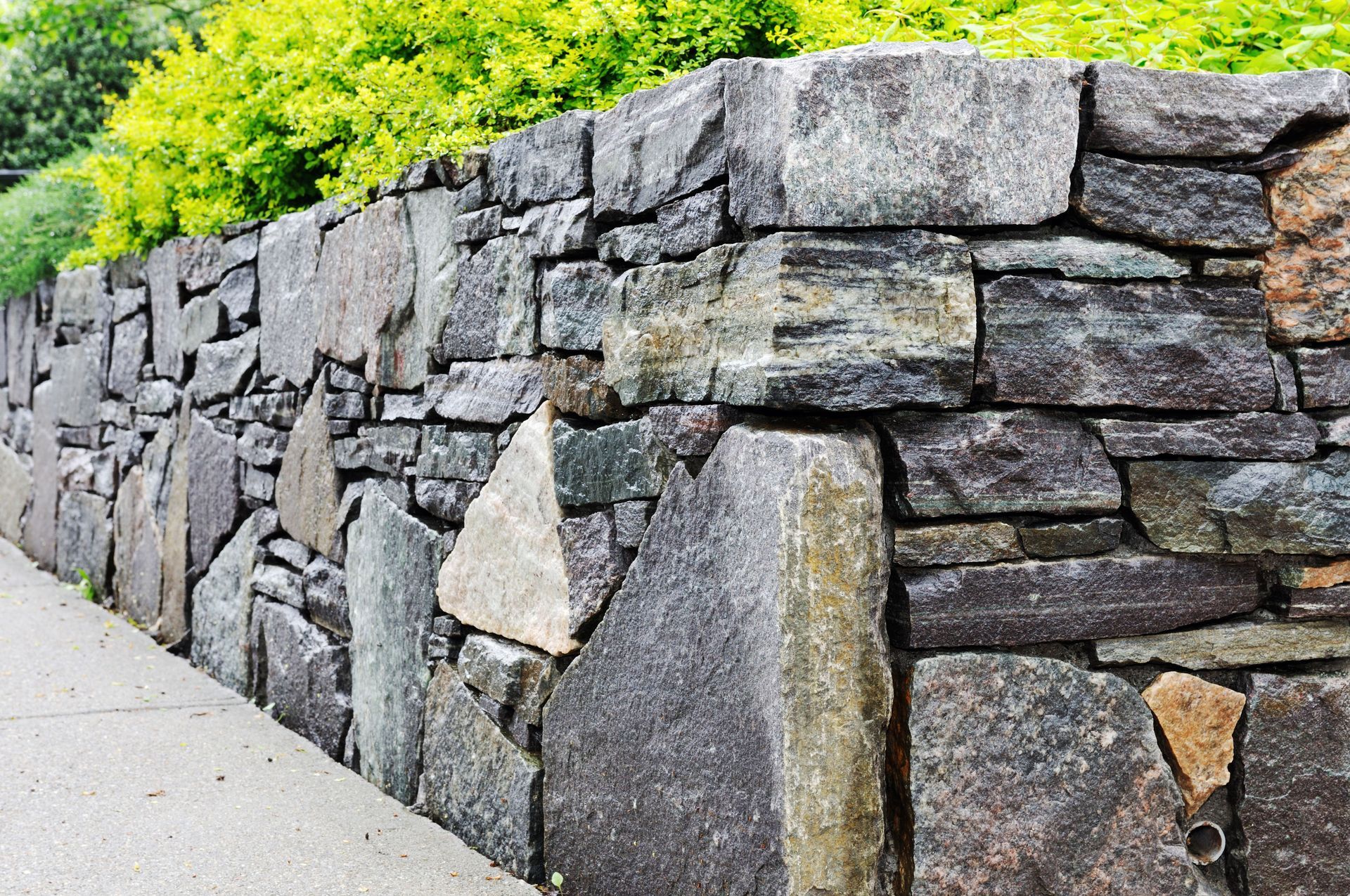
Choosing durable materials for retaining walls is essential for lasting structural integrity and reduced maintenance. Options like natural stone, interlocking concrete blocks, and treated wood each offer distinct advantages and considerations. Natural stone walls provide a classic aesthetic and blend well with the natural environment, but may involve higher costs and complex installation. Concrete block walls, often engineered, offer easy installation and versatility in design while ensuring strength and durability. Factoring in local climate conditions, desired designs, and budget constraints is crucial to selecting the appropriate materials for an effective and long-lasting retaining wall.
The investment in retaining walls must balance initial costs against long-term property value gains. While the upfront cost can vary widely depending on materials and complexity, the added value from usable land and enhanced aesthetics can be substantial. Retaining walls reduce slope instability and protect against erosion-related damage, mitigating future costly repairs or redesigns. Their ability to increase property value, by up to 15%, signifies a high return on investment that appeals to potential buyers. Weighing the projected benefits against costs ensures informed decisions in utilizing retaining walls to enhance property appeal and longevity. Be sure to reach out to Cold Creek Landscaping today to learn more about our professional hardscaping contractors!