June 22, 2026
Water conservation has become a growing priority for homeowners who want to maintain attractive outdoor spaces without placing unnecessary strain on local resources. Lawns, gardens, and traditional landscaping designs often require significant irrigation, which can lead to high water bills and inefficient use over time. This is where hardscaping contractors play an increasingly important role in modern landscape design.
By replacing or supplementing water-dependent greenery with stonework, patios, walkways, retaining walls, and other non-living features, hardscaping contractors help homeowners reduce irrigation needs while still achieving visually appealing and functional outdoor environments. These professionals bring both design expertise and practical construction knowledge to create spaces that are not only beautiful but also environmentally responsible.
As drought conditions and water restrictions become more common in many regions, understanding how hardscaping fits into a sustainable landscaping strategy is more important than ever.
What Is Hardscaping And How Does It Affect Water Usage?
Hardscaping refers to the non-plant elements of landscaping, including features such as pavers, gravel pathways, stone seating areas, retaining walls, and decorative rock beds. Unlike traditional landscaping that relies heavily on grass and plants requiring constant watering, hardscaping introduces permanent structural elements that significantly reduce the need for irrigation.
Hardscaping contractors are trained to design and install these features in ways that complement natural surroundings while minimizing water dependency. By reducing the total area dedicated to turf or high-maintenance vegetation, homeowners can dramatically decrease the amount of water required to maintain their yards.
Another important factor is runoff control. Hardscape installations can be engineered to direct water more efficiently into the soil where it is needed, or away from structures where it could cause damage. In this way, hardscaping contractors not only reduce water usage but also help manage how water moves across a property.
Over time, these design choices contribute to a more efficient landscape that requires less irrigation and maintenance, while still providing structure and visual appeal.
How Can Hardscaping Contractors Help Design A Water-Efficient Landscape?
Designing a water-efficient outdoor space requires more than simply replacing grass with stone. It involves careful planning, grading, material selection, and an understanding of how water behaves across different surfaces. This is where hardscaping contractors bring essential expertise to the process.
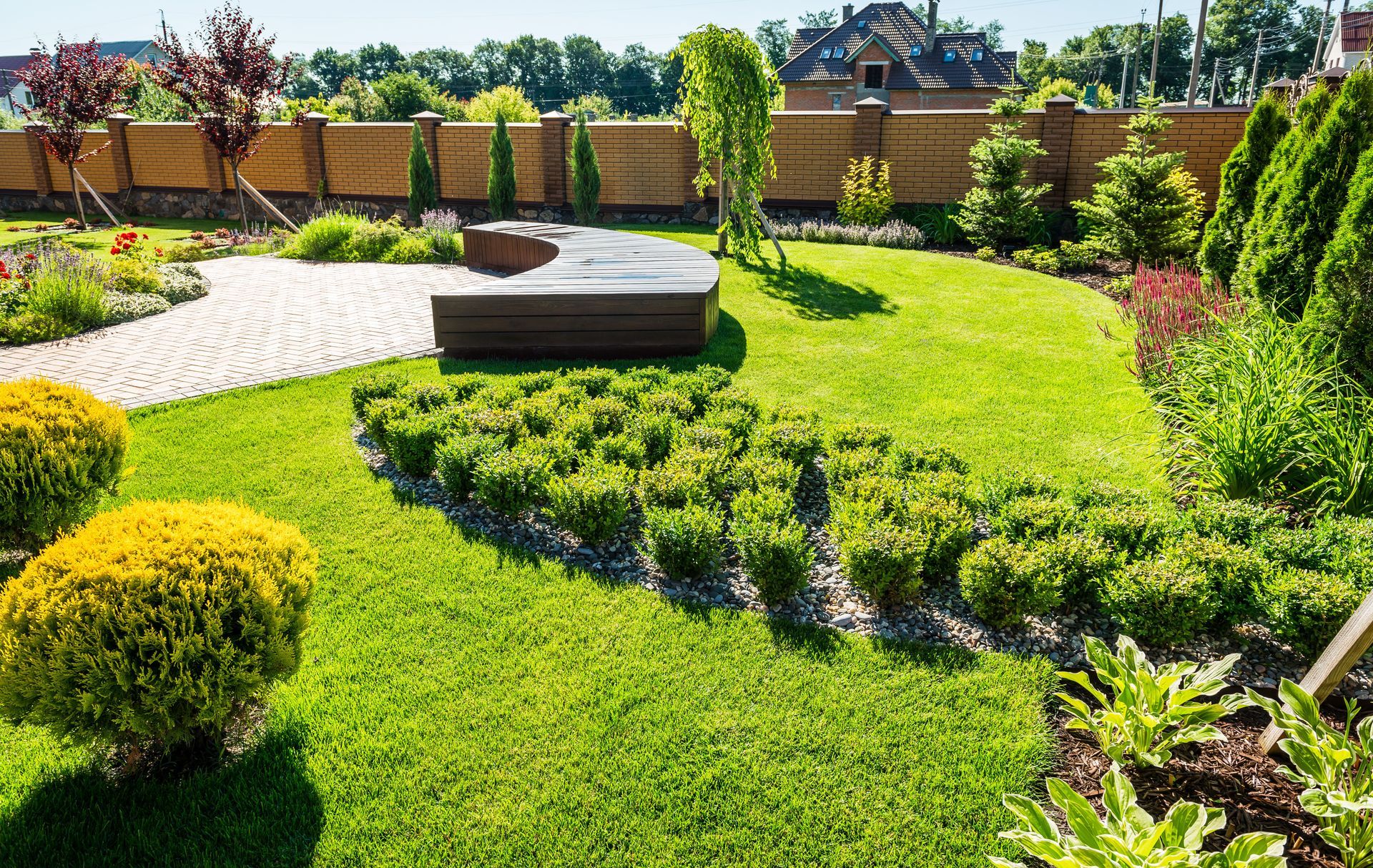
One of the primary strategies they use is zoning. By separating areas of high water need from areas that require little to no irrigation, hardscaping contractors help homeowners prioritize water usage more effectively. For example, they may design a landscape with a central hardscape courtyard surrounded by drought-tolerant plants rather than a large irrigated lawn.
They also incorporate permeable surfaces that allow water to pass through rather than run off. This supports groundwater recharge and reduces wasted irrigation. In addition, thoughtful grading ensures that rainwater is directed toward planted areas that benefit from natural moisture.
In practical terms, hardscaping contractors also help homeowners rethink how outdoor spaces are used. A patio can replace a section of lawn, eliminating the need for constant watering while still creating a usable and attractive gathering space. Similarly, walkways and driveways designed with efficiency in mind reduce unnecessary irrigated areas.
By combining design creativity with technical skill, hardscaping contractors make it possible to significantly reduce water consumption without sacrificing functionality or aesthetics.
What Are The Best Hardscaping Materials To Use For Reducing Water Consumption?
Material selection plays a major role in how effectively a landscape conserves water. Different materials interact with heat, moisture, and soil in unique ways, and experienced hardscaping contractors understand how to choose options that support long-term efficiency.
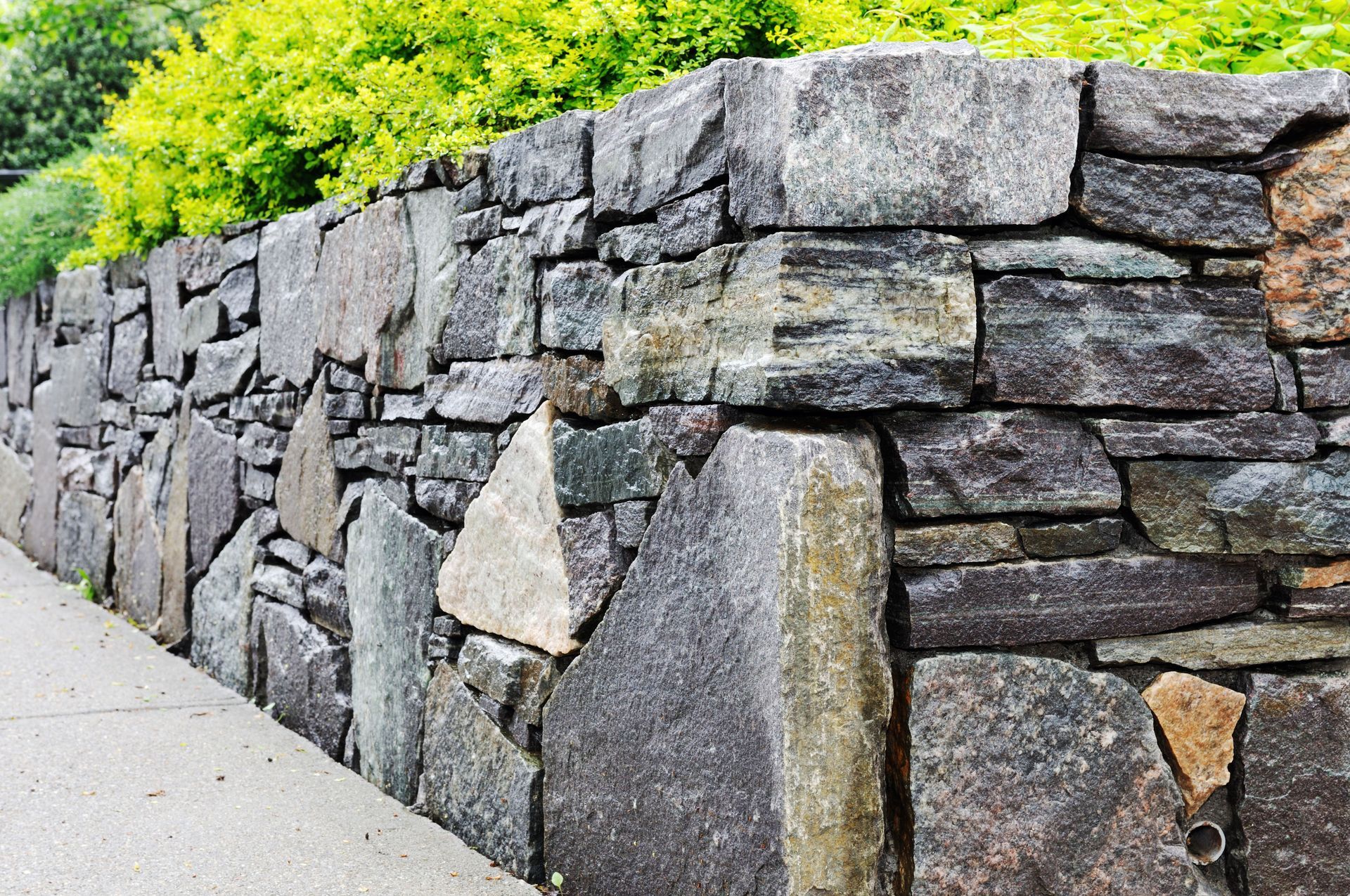
Natural stone, for example, is a popular choice due to its durability and minimal maintenance requirements. It does not require watering, fertilizing, or chemical treatment, making it an ideal foundation for low-water landscapes. Gravel and crushed stone are also commonly used because they allow water to pass through easily while reducing evaporation from surrounding soil.
Concrete pavers are another versatile option frequently recommended by hardscaping contractors. When installed with permeable joints, they can help manage stormwater while reducing reliance on irrigation-heavy lawn areas. These materials also help regulate soil temperature, which can further reduce water loss in surrounding planted zones.
Mulch and decomposed granite are often used as transitional materials between hardscape and plant areas. While not permanent structures, they play a supporting role in moisture retention by slowing evaporation.
By carefully selecting and combining these materials, hardscaping contractors create landscapes that require significantly less water while maintaining strong visual and functional appeal.
How Does Proper Drainage Design By Hardscaping Contractors Help In Water Management?
Effective drainage is one of the most important components of a water-efficient landscape. Without it, even well-designed outdoor spaces can suffer from pooling, erosion, and inefficient water distribution.
According to the United States Environmental Protection Agency, approximately half of all water used outdoors is lost due to inefficient irrigation systems and poor watering practices. This highlights the importance of proper design in reducing waste and improving overall efficiency.
Hardscaping contractors address this issue by integrating drainage systems directly into landscape design. This includes grading land to guide water flow, installing French drains, and using permeable surfaces that allow water to seep into the ground naturally instead of running off.
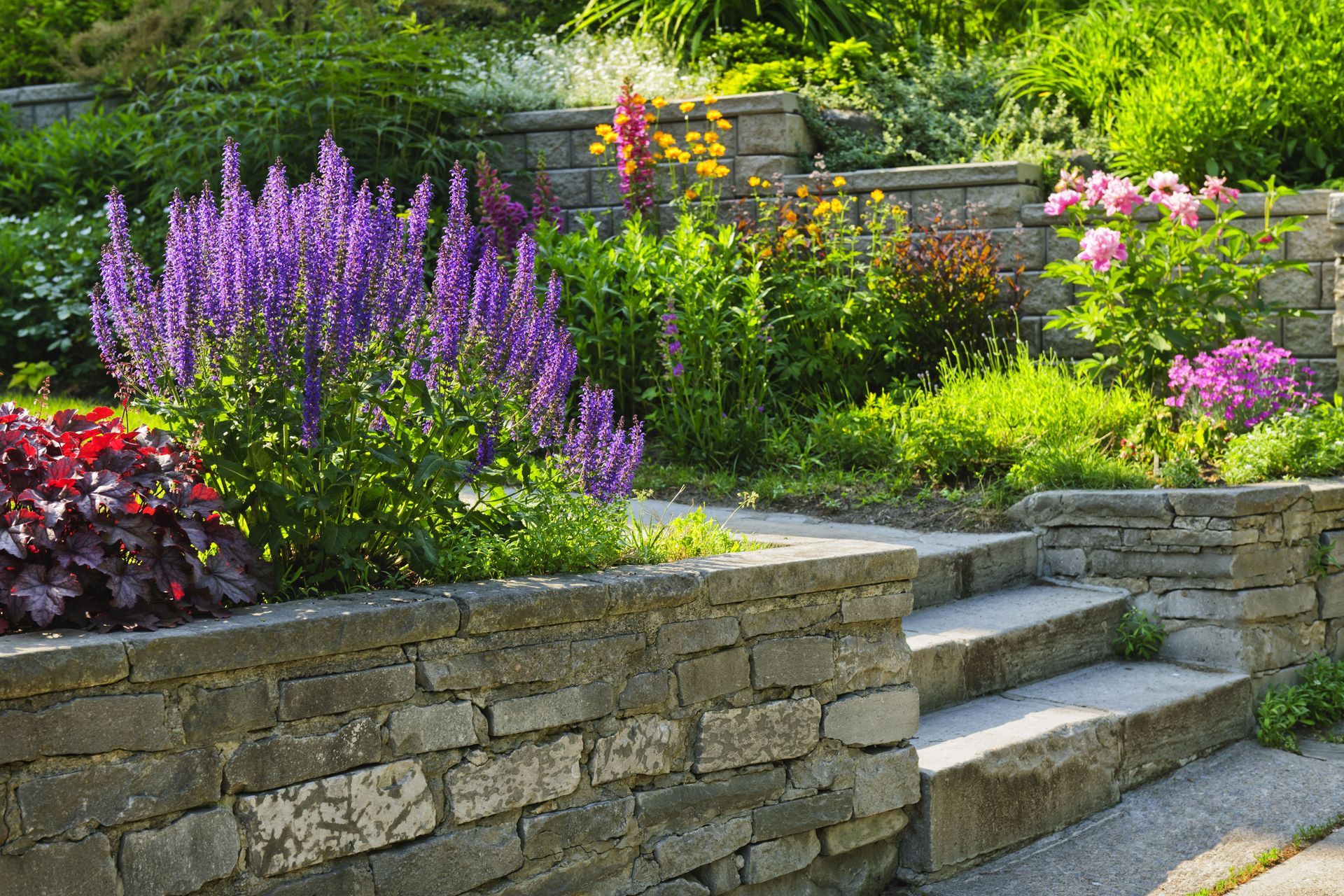
They also design hardscape features that work with natural water movement rather than against it. For example, retaining walls can be engineered to slow runoff and redirect moisture toward planted areas that benefit from it. Similarly, strategically placed channels and basins can capture rainwater and distribute it more effectively across the property.
By improving how water is collected, stored, and redirected, hardscaping contractors help homeowners reduce waste while protecting their landscapes from damage caused by excess water or poor drainage.
Are There Cost Benefits To Hiring Hardscaping Contractors For Water Conservation Projects?
While the initial investment in hardscaping may be higher than traditional landscaping, the long-term financial benefits often make it a cost-effective choice. One of the most significant savings comes from reduced water bills. With less reliance on irrigation systems, homeowners can see noticeable decreases in monthly utility costs.
Hardscaping contractors also help reduce ongoing maintenance expenses. Lawns require mowing, fertilizing, reseeding, and regular watering, all of which add up over time. Hardscape features, on the other hand, require minimal upkeep once installed. This shift from high-maintenance vegetation to durable materials can result in substantial long-term savings.
Another financial advantage is durability. Properly installed hardscape features can last for decades, reducing the need for frequent replacements or repairs. This longevity adds value to the property while minimizing future landscaping costs.
In some cases, water-efficient landscaping can also increase property value. Buyers are often attracted to low-maintenance outdoor spaces that are both visually appealing and cost-efficient to maintain. Hardscaping contractors contribute directly to this appeal by creating well-designed, sustainable environments.
Overall, the financial benefits extend beyond immediate savings, offering long-term value in both reduced expenses and improved property desirability.
Sustainable landscaping is becoming an essential part of responsible homeownership, especially in regions where water conservation is increasingly important. By rethinking how outdoor spaces are designed and maintained, homeowners can achieve both beauty and efficiency without excessive resource use. With the guidance of experienced professionals, it becomes possible to transform traditional yards into functional, low-water environments that stand the test of time. If you want to create a beautiful and practical outdoor space that respects the environment, reach out to the team at Cold Creek Landscaping today!